CPAP therapy
CPAP (continuous positive airway pressure) uses a gentle stream of air through a mask to keep the airway open during sleep. It is the most common treatment for sleep apnea. What it involves, common side effects and tips for getting used to it.
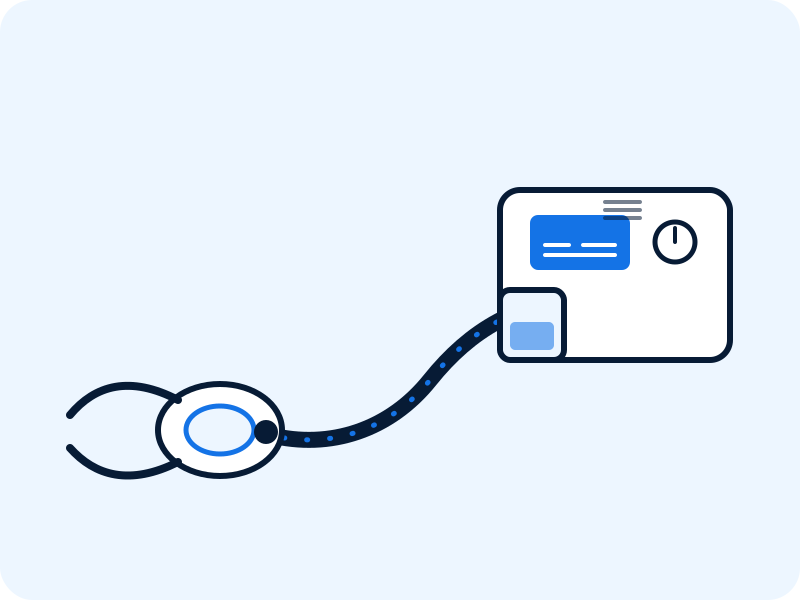
Key takeaways
- CPAP keeps the airway open with a steady stream of air through a mask.
- The NHLBI says a PAP machine is the most common treatment for sleep apnea.
- It works best when used every night and for every nap.
- Most side effects, such as dry nose or strap marks, can be fixed with adjustments.
What CPAP isLink to section: What CPAP is
CPAP stands for continuous positive airway pressure [1]. The American Academy of Sleep Medicine (AASM) explains that it keeps your airway open by gently providing air through a mask you wear while you sleep, which prevents the breathing pauses caused by sleep apnea [1]. The National Heart, Lung, and Blood Institute (NHLBI) says a PAP machine is the most common treatment for sleep apnea [2], and the AASM calls CPAP the frontline treatment, recommended for most patients [3].
A CPAP system is a small air compressor, about the size of a tissue box, with flexible tubing and a mask [1].
Types of PAP machinesLink to section: Types of PAP machines
The NHLBI describes three types [2]:
- CPAP provides constant air pressure.
- BPAP (bilevel) delivers different pressure for breathing in and breathing out.
- APAP (auto-adjusting) automatically adjusts the pressure during sleep.
Your provider will help decide which type is right for you [2].
MasksLink to section: Masks
The AASM describes three common mask types [1]:
- Nasal mask, covering only the nose, the most common type
- Full face mask, covering the nose and mouth, which may help with air leaks
- Nasal pillows, soft tubes that fit in the nostrils
Whatever the type, the mask needs to fit well and be comfortable to keep a good seal [1].
BenefitsLink to section: Benefits
The AASM says regular CPAP use can improve sleep quality and daytime alertness, and that treating sleep apnea can reduce the risk of heart disease and stroke [1]. The NHLBI notes PAP machines often work best when paired with healthy lifestyle changes [2].
Side effectsLink to section: Side effects
The NHLBI lists congestion, dry eyes or mouth, nosebleeds and a runny nose as possible side effects [2]. The NHLBI says to stop using the machine and contact your provider if you have stomach discomfort or bloating [2]. The AASM says strap marks, skin sores, dry nose and sore throat can often be fixed with a better mask fit or a humidifier [1].
Tips for getting used to CPAPLink to section: Tips for getting used to CPAP
The AASM suggests [1]:
- Wearing the mask for short periods during the day, such as while reading or watching TV
- Using CPAP every night and for every nap
- Adjusting straps and headgear, and making sure the mask fits
- Using the "ramp" setting, which starts at low pressure and slowly increases
- Using a humidifier for a dry mouth, throat or nose
- Cleaning the mask, tubing and headgear once a week
- Asking your sleep center for help if adjustments do not work
For more on the condition, see sleep apnea.